
Other Locations
Date
- Mar 28 2026
- Expired!
Time
Eastern Time (NY time)
- 10:00 am - 11:30 am
Languages

Michael A. Di Giovine

|
Michael A. Di Giovine is Professor of Anthropology at West Chester University; Director of its Museum of Anthropology and Archaeology, and Museum Studies Program; and Director of the Ethnographic Field School on Sustainable Food and Cultural Heritage in Perugia, Italy. An Honorary Fellow at the University of Wisconsin-Madison, Michael is also a former tour operator whose research in Europe and Southeast Asia focuses on the intersection of food, heritage, and tourism/pilgrimage. He is the founding President of the Council on Heritage and the Anthropology of Tourism (CHAT) at the American Anthropological Association, where he also serves on its Cultural Heritage Advisory Committee. He has authored or edited over a dozen books, including The Heritage-scape: UNESCO, World Heritage and Tourism (2009) and Edible Identities: Food as Cultural Heritage (2016), and most recently, The Routledge Handbook of Food and Cultural Heritage with Rául Matta(2025). Michael is the series editor of Bloomsbury’s The Anthropology of Tourism: Heritage, Mobility and Society.www.wcupa.edu/michaeldigiovine. |
Blanca María Cárdenas Carrión

|
Blanca María Cárdenas Carrión is a graduate in Ethnology from the National School of Anthropology and History (ENAH) and earned a master’s degree in philosophy of science (Science Communication) from the National Autonomous University of Mexico (UNAM). In 2016 she obtained a certification from the International Centre for Theoretical Physics in Trieste, Italy for the development of museums and science centers. Her most important research projects are related to food, flavors and ritual systems among the Tarahumaras (north of Mexico) and Otomíes (Huasteca region), ethnographic and archaeological museums, critical museology, and popular art. She is Professor in the Ethnomusicology Department, Faculty of Music, Universidad Nacional Autónoma de México, and an independent curator. https://unam1.academia.edu/BlancaC%C3%A1rdenas |
Christopher Fink
|
Christopher Fink is a professor in the Department of Health & Human Kinetics at Ohio Wesleyan University. He also serves as the co-director of the Public Health program, and his teaching focuses broadly on food and culture, public health, and qualitative inquiry. Recently, his scholarly work has focused on the community and heritagization aspects of food festivals (including the Italian sagra); oral histories of food and migration; Cuban migration, food, and identity; and program development around community food insecurity. |
Chadley Hollas
|
Chadley Hollas is a PhD Candidate at the University of Georgia, specializing in communities' experiences with natural resource-based tourism, rural development, and agritourism. He is also Principal of Cultivating Tourism, where he advises organizations on tourism strategy, research, and agritourism development, informed by experience in destination management, hospitality, and farming. |
Lucy M. Long
|
Lucy M. Long directs the independent nonprofit Center for Food and Culture (www.foodandculture.org) and is retired from teaching at Bowling Green State University, Ohio (USA) in folklore, popular culture, American studies, ethnic studies, nutrition, and tourism. With degrees in Folklore (PhD, University of Pennsylvania) and Ethnomusicology (MA, University of Maryland), she focuses on food as carrier of meaning and identity and its role and impact within tourism, heritage, and sustainability. She also works with public humanities projects and has conducted research in Ireland, Northern Ireland, Spain, and with numerous ethnic and regional groups within the US. Her publications include documentary films, museum exhibits, articles in academic journals, and books: Culinary Tourism (2004);Regional American Food Culture (2009);Ethnic American Food Today: A Cultural Encyclopedia (2015);The Food and Folklore Reader (2015);Ethnic American Cooking (2016);Honey: A Global History (2017);Comfort Food Meanings and Memories (2017); and Apples in the Midwestern Imagination (2026). |
Jonathan Mabry

|
Jonathan Mabry, PhD, is an anthropologist and Research Associate at the University of Arizona Desert Laboratory. He was an early leader in southern Arizona’s local and heritage foods movement and the lead author of the application that obtained Tucson’s designation as the USA's first UNESCO Creative City of Gastronomy. He is the Focal Point for Tucson Creative City of Gastronomy and Executive Director of the non-profit organization managing the designation. |
Raúl Matta
|
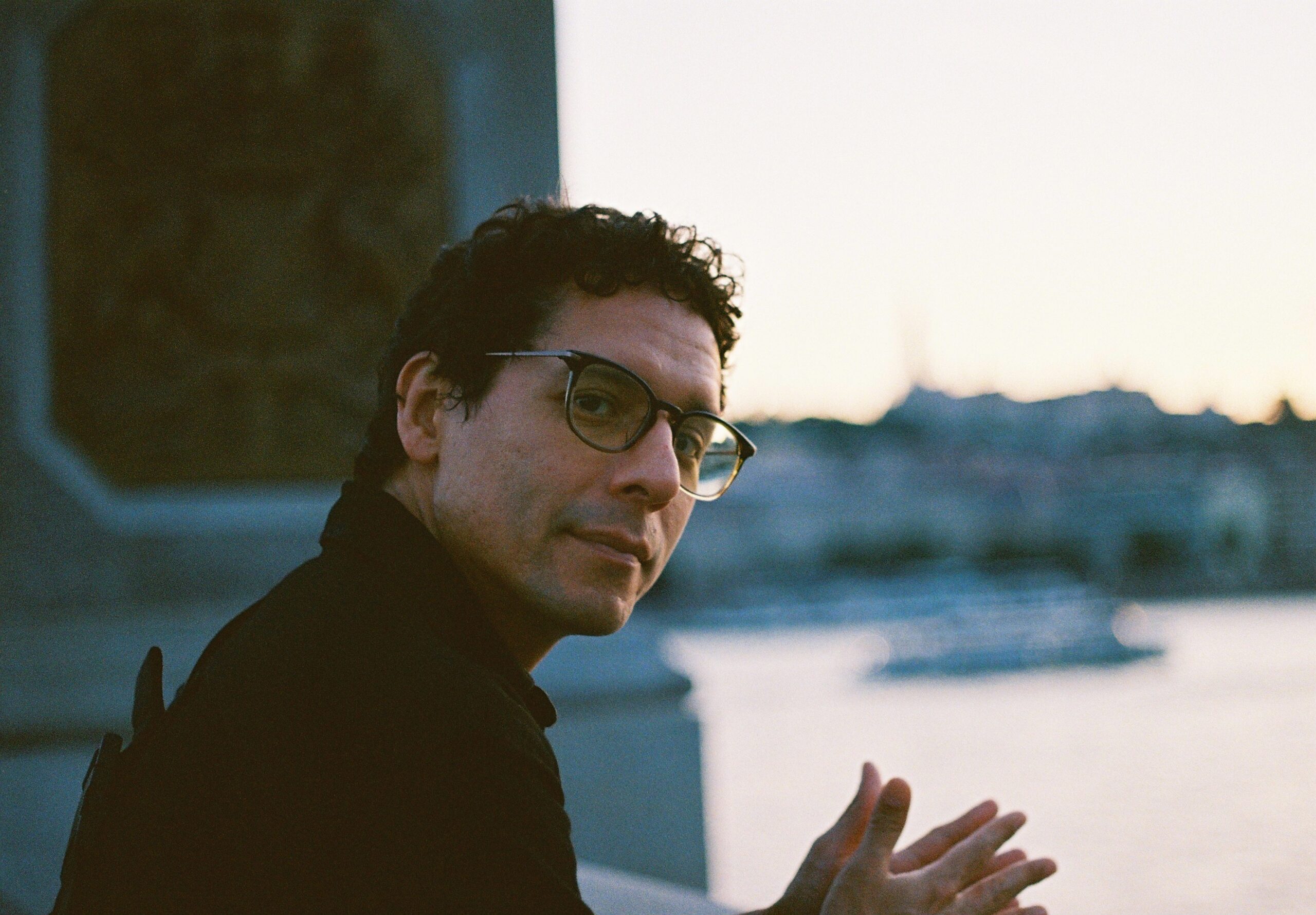
Raúl Matta is a full researcher at the Institute Lyfe Research and Innovation Center and research associate at the Institut de Recherche pour le Développement (IRD), both in France. Previously, he has worked at the Freie Universität Berlin, the IRD, and the University of Göttingen. Between 2021 and 2022, he was a Marie Skłodowska Curie/FIAS Fellow at the Paris Institute for Advanced Study. His work lies at the intersection of anthropology, food, and heritage studies, examining how diverse actors ascribe multiple meanings and purposes to food. Raul has conducted fieldwork in Peru, Mexico, Germany, and France and held leading positions in several international research projects, most recently the EC Horizon–funded CONVIVIUM. He is the author of From the Plate to Gastro-Politics (Palgrave, 2023) and co-editor of The Routledge Handbook of Food and Cultural Heritage (2025). |
Valeria Siniscalchi
|
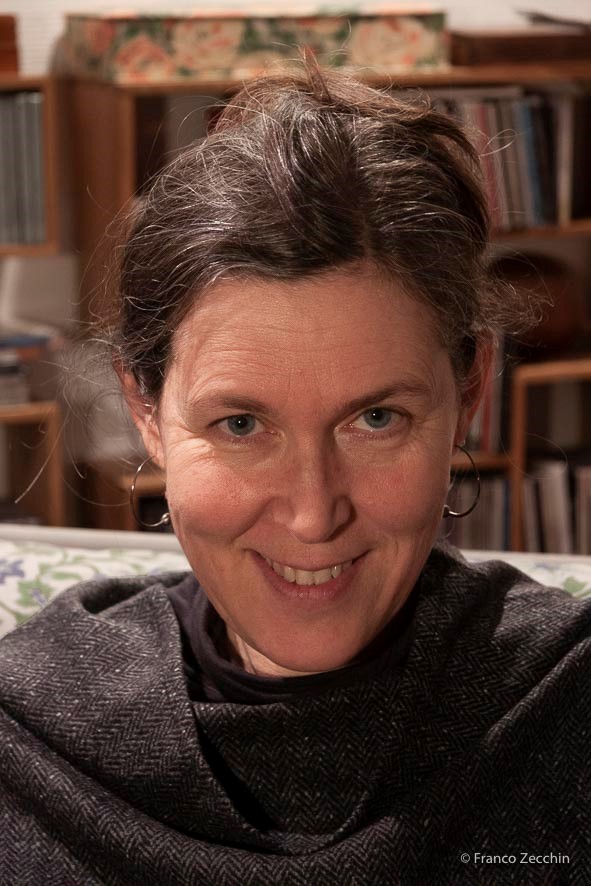
Valeria Siniscalchi is Professor of Anthropology at the École des Hautes Études en Sciences Sociales (EHESS) and member of the Research Center on circulations, links and exchanges (CeRCLEs, Marseille, France). Her research and teaching activities focus on economic and political anthropology, and food activism. She has done extensive research in northern and southern Italy, in the French Alps and inside the Slow Food movement. Her recent books include Food Activism. Agency, Democracy and Economy (2014, with Carole Counihan), Food Values in Europe (2019, with Krista Harper), and Slow Food. The economy and politics of a global movement (2023) published by Bloomsbury. |
| Michael A. Di Giovine Moderator |
| Blanca María Cárdenas Carrión Panelist |
| Christopher Fink Panelist |
| Chadley Hollas Panelist |
| Lucy M. Long Panelist |
| Jonathan Mabry Panelist |
| Raúl Matta Panelist |
| Valeria Siniscalchi Panelist |
Local Time
- Timezone: America/New_York
- Date: Mar 28 2026
- Time: 10:00 am - 11:30 am
Volume 77
Finding Community in Food, Heritage and Agricultural Tourism
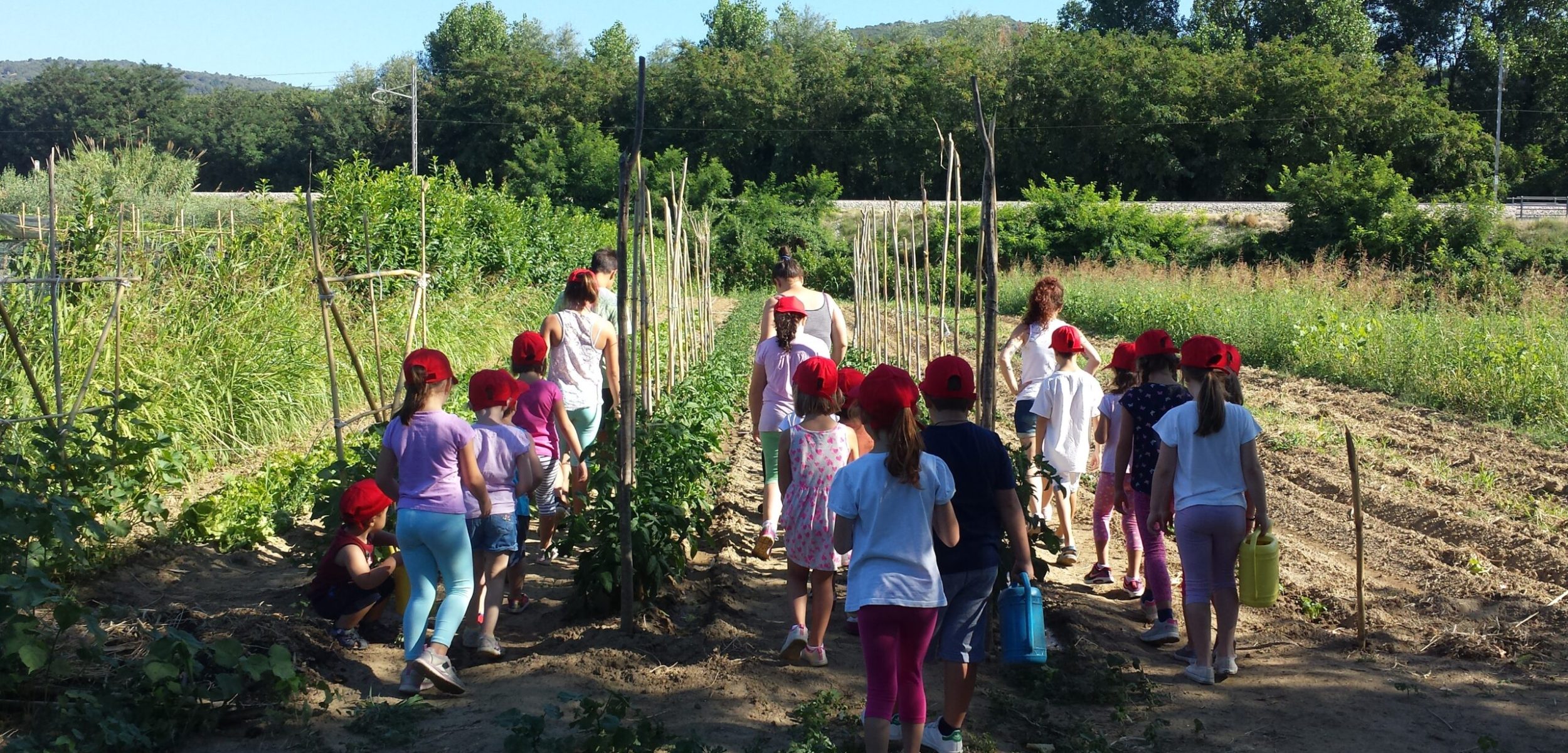
This webinar brings together researchers working on food, cultural heritage, and tourism to explore how local communities engage with food-related heritage initiatives. Focusing on the intersections and tensions between food, heritage, agriculture, and tourism, the discussion examines real-world contexts such as agritourism, food festivals, museums, restaurants, Slow Food activities, and UNESCO-designated sites. The panel will address how communities navigate pressures to preserve and present their culinary traditions, the potential benefits and challenges of food-based heritage tourism, and ways in which food heritage can serve not only as a tourist resource but also as a means of supporting more inclusive and sustainable community development. Moderated by Michael A. Di Giovine, the session emphasizes practical insights grounded in ongoing research and field experience.
Program
Welcome Remarks
Jafar Jafari
Kazem Vafadari
Kazem Vafadari
Introduction/Moderator
Michael A. Di Giovine
Presentations by Speakers/Panelist
Blanca María Cárdenas Carrión
Christopher Fink
Chadley Hollas
Lucy M. Long
Jonathan Mabry
Raúl Matta
Valeria Siniscalchi
Christopher Fink
Chadley Hollas
Lucy M. Long
Jonathan Mabry
Raúl Matta
Valeria Siniscalchi
Cultural Break
Discussion and Q/A
Rapporteur
Malcolm Cooper
Conclusion
Jafar Jafari
Kazem Vafadari
Kazem Vafadari
Registration
Registration time has ended.



Scroll to Top